



Have you ever wondered about papyrus in Ancient Egyptian times?
A plant and history so present in the back of our minds that we don’t enquire further or spend time learning about…just hanging there…the paper stuff that is covered in heiroglyphic writing.
Cyperus papyrus is an aquatic grass – also know as Wetland sedge, Nile grass and Paper reed.
Cyperus papyrus is a large member of the sedge plant family. Growing up to 5 metres in height. It used to grow abundantly in Ancient Egyptian times but is now extinct in Egypt. A contributing factor being the enormous amount of use for paper, baskets, sandals, small fishing boats, mats and baskets. Although it was indigenous in Egypt, growing in the Egypt Nile Delta, it can now only be found on a few small plots of land.
There are over 5000 species of papyrus worldwide. But it is specifically this large species that used, and still is, in Egypt. Although there is no record of how it was made – you can view a paper making process on this video here. There are a few family’s in Egypt today who still make papyrus paper for tourist curio’s. If you have some growing on your property it could be a fun activity to learn.
Some historical facts about Cyperus papyrus in Ancient Egypt. 2900 BC – 8th century
- Papyrus was the symbol for eternity and everlasting life.
- The Lotus flower was the symbol that represented Upper Egypt and Papyrus plants were the symbol to represent Lower Egypt.
- “FIELD OF REEDS” or A’ARU was the name for the Egyptian afterlife. It mirrored the papyrus growing in the Nile River Valley.
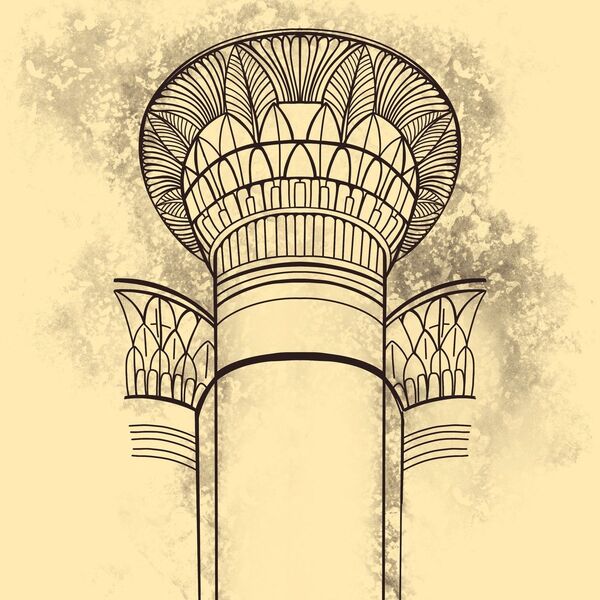
- Circular temple columns were decorated with motifs of papyrus, lotus, palms and Foxtail flatsedge plants. These massive columns were carved from one monolith block (single piece of stone) or built up with sectional blocks. You can go into full details of plant decorated columns here – The Columns of Ancient Egypt
- Papyrus scrolls with heiroglyphic inscriptions were placed in the burial chambers and held funerary texts. These were named Book of the Dead – and held spells and funerary texts to assist in the departure into the afterlife.
Cyperus papyrus in South Africa
Cyperus papyrus occurs naturally in Mpumalanga, Limpopo and Kwazulu Natal. Also in other African countries. Growing in swamps and lake margins. There are 400 papyrus species in South Africa alone. Playing an important role in in wetland ecosystems – cleaning of water and providing homes for many bird species.
- Growing large, up to 5 metres in height, Cyperus papyrus is suitable for medium to large dams. They can also be planted in large garden ponds with regular maintenance as they spread and form large clumps.
- Thrive in full sun to partial shade.
- Feature plant – with attractive feathery heads.
- Filters water.
- Water-loving plants , plant in muddy soil on fringes of ponds and dams.
- Cyperus papyrus pair well with Palmiet, Kniphofia and Arum lilies.
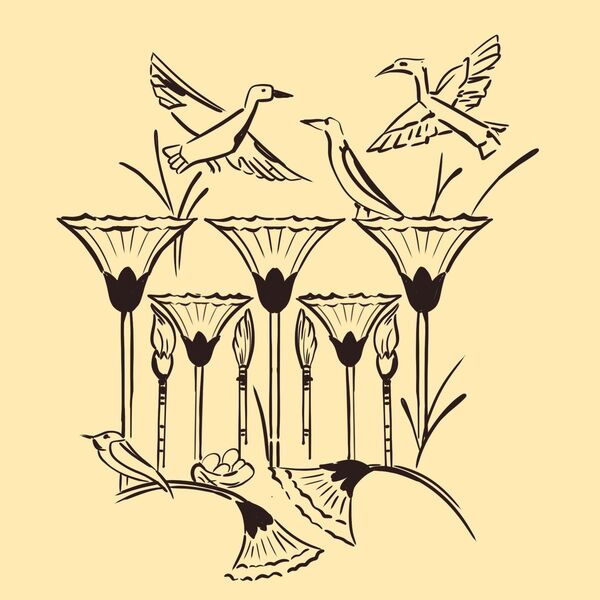
Illustrations by Marisa – you can view more on the Instagram page @bird_in_my_hand
Commissioned artwork – please contact directly